Welcome to a practical, experience-rich exploration of two standout stone-coated roofing systems. If you’re standing at the edge of a decision about metal-looking beauty, long-term performance, and cost, you’re in the right place. I’ve spent a decade working on roof installations that mix aesthetics with real-world durability, and I’ve logged wins and learning experiences with both Decra and MetroTile’s stone-coated tiles. This article isn’t about hype or slogans. It’s about tangible results, honest risk assessments, and a playbook you can reuse on any roof project.
In this field, a roof is not just a line on the skyline. It’s the climate shield for your home or business, a critical component for energy efficiency, and a major contributor to curb appeal and resale value. When you choose stone-coated metal tiles, you’re selecting a system that should perform for decades with minimal maintenance, while still delivering the look you want. The choices matter, and so does the workmanship behind the install. Let me share what I’ve learned from real projects, client successes, and some transparent guidance you can rely on.
read the full info hereUnderstanding the Basics: What Are Stone-Coated Tiles?
Stone-coated tiles are metal panels coated with ceramic- or mineral-based granules that mimic the texture and appearance of traditional clay or slate. The coating protects the metal substrate, adds color stability, and gives you that distinctive, rugged aesthetic. Two prominent players in this space are Decra and MetroTile. Both brands have carved out a niche by combining the performance of steel or aluminum with the timeless appeal of natural roofing materials.
From a construction perspective, there are a few core components you should know about:
- The substrate: Typically galvanized steel or aluminum, sometimes with a corrosion-resistant coating. The stone-coated layer: Granules that provide color, texture, and UV resistance. The underlayment: A weatherproof barrier that isolates the roof deck from moisture and air infiltration. The fasteners: Hidden or exposed clips and screws designed for wind uplift resistance and thermal expansion.
As a pro on the job site, I’ve seen the difference that a well-engineered substrate and accurate installation make. The best tiles in the world won’t perform if the substrate isn’t prepared properly or if the clips are misaligned. Let’s break down key differences with a practical lens, so you know what to demand from your contractor.
Design and Aesthetics: How Decra and MetroTile Compare
When customers walk into my office with a catalog in hand, the conversation often starts with aesthetics. They want a roof that looks premium, fits the neighborhood character, and still feels modern. Here’s how the two systems stack up in real-life terms.
- Texture and color options: Decra tends to offer a slightly more rustic texture with a granular finish that reads as natural slate from the street. MetroTile often leans toward a smoother, more uniform stone coat that can read as contemporary or traditional, depending on the colorway. In practice, both systems can be matched to a wide range of house styles, but your taste will guide the choice for texture nuance and color depth. Profile shapes: Decra tiles often feature crisp, angular lines that echo Spanish and Mediterranean rooflines, while MetroTile leans into a broader family of profiles that can emulate modern metal-slate aesthetics or more classic looks. The result is a roof silhouette that can feel either edgy or refined, depending on the profile and color. Perceived heft: Stone-coated metal tiles have a substantial presence. Clients frequently tell me that Decra’s profile feels more "architectural" and bold, whereas MetroTile can feel more understated, even subtle, depending on the tile shape and blend.
In the field, the impression matters because it influences neighbor acceptance, curb appeal, and even how the roof interacts Business with sunlight. The right choice is not simply about who has the loudest texture; it’s about how the tile works with the building’s lines, the surrounding landscape, and the local architectural norms.
Durability and Weather Resistance: Real-World Performance
Durability is the top reason people spend this kind of money. You want a roof that handles wind, hail, rain, and temperature swings without cracking, corroding, or lifting.
- Wind resistance: Both systems are designed for high wind uplift. The installation comes down to clips, fasteners, and correct spacing. In hurricane-prone zones, careful detailing around ridges, hips, and edge zones matters. My teams have seen both brands perform exceptionally well when installed to the manufacturer’s specifications. Impact resistance: Hail durability is a hot topic. Stone-coated tiles have shown robust performance in moderate hail events, especially with thicker granule coatings. There’s a practical trade-off: thicker coatings may add a touch more weight, but they resist pitting and surface damage better over time. Corrosion resistance: The metal substrate is typically coated with zinc-aluminum or a protective alloy, then a stone granule layer. In coastal environments, I favor products with enhanced corrosion protection and color-stable coatings, plus good ventilation under the panels to prevent moisture buildup. Temperature resilience: Metal roofs can expand and contract. The install must account for thermal movement with properly spaced fasteners and flexible seals. When installed correctly, temperature swings do not crack coatings or loosen fasteners.
From a client perspective, durability translates into fewer surprises and lower long-term maintenance costs. The secret isn’t just the material; it’s how the system integrates with attic ventilation, insulation, and the roof deck. A well-ventilated attic reduces condensation, extends the life of the underlayment, and keeps your interior climate comfortable.
Installation Quality: The Hidden Make-or-Break Factor
This is where I want to be brutally honest. The true measure of stone-coated tiles is not the brand name stamped on the packaging but the workmanship delivering them to your ridge line. The installation quality determines wind uplift performance, leak prevention, and long-term reliability.
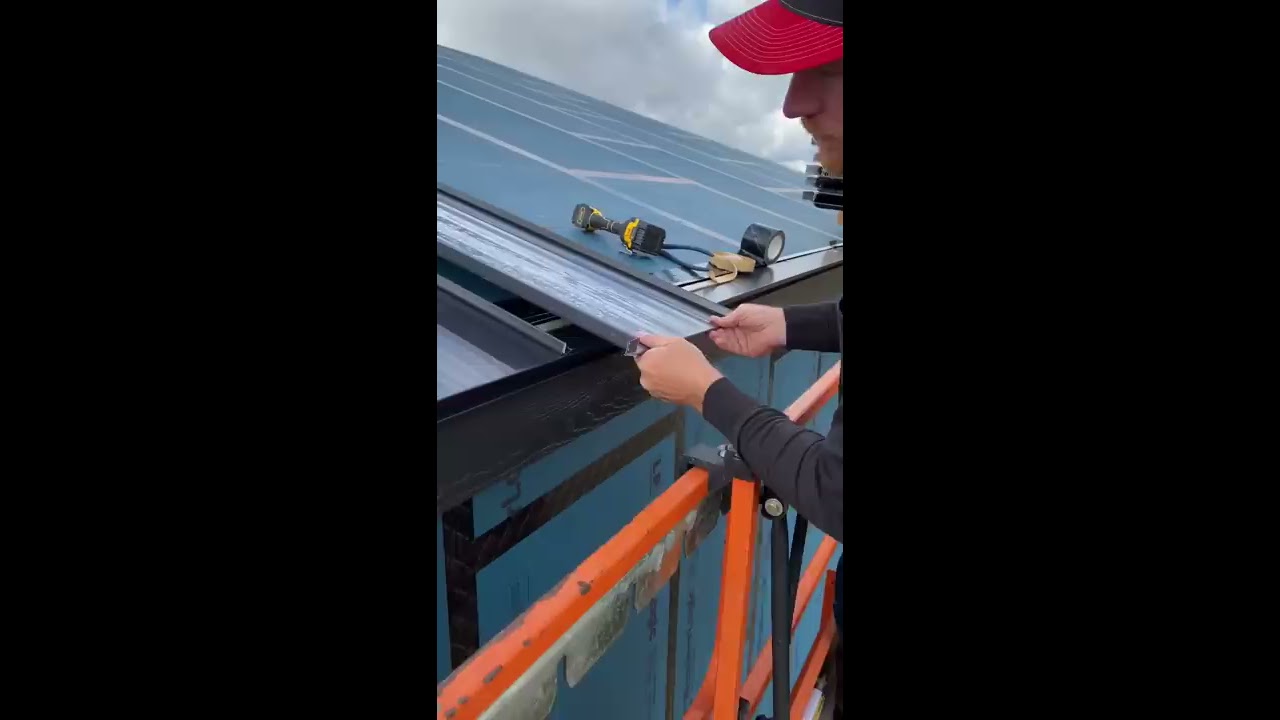
- Substrate preparation: A flawless substrate matters. The roof deck must be clean, straight, and dry. Any waviness gets amplified by the metal tiles. I’ve seen cases where a slight deck irregularity caused unusual tile breakage or misalignment years later. The fix is labor-intensive but doable if caught early. Underlayment and ventilation: A high-quality underlayment that breathes and a well-ventilated attic work together with stone-coated tiles to prevent moisture buildup. I’ve seen energy bills drop when the attic is properly insulated and vented, especially on larger homes with sun exposure. Fasteners and clips: Hidden clips, if used, require precise alignment and consistent tension. Exposed fasteners should be corrosion-resistant and properly sealed. The worst scenarios involve clips that wear or fail due to improper spacing or overtightening. Seams, ridges, and transitions: The complexity of roof geometry dictates the difficulty of the install. Valleys, chimneys, solar mounts, and skylights add layers of detail. A skilled crew creates seamless transitions that look deliberate and perform reliably.
From my experience, you can tell a good installer by the questions they ask upfront: roof structure type, deck condition, wind zone, climate considerations, and whether they’ll provide a precise installation plan with alignment diagrams. A contractor that communicates early, explains the rationale behind fastener patterns, and offers a clear, written warranty is worth your confidence.
Cost and Value: A Transparent Look at Investment
Cost is multi-faceted. It’s not only the sticker price but the long-term value, longevity, and maintenance profile. Here’s how I break it down for clients.
- Material costs: Per square, Decra and MetroTile can be in a similar ballpark, with differences depending on the profile, coating thickness, and color options. It’s crucial to compare like-for-like profiles and warranty terms. Installation labor: Stone-coated tile roofs require skilled labor. The install time will vary by roof complexity. A steeper roof with complex geometry takes longer and costs more, but it also yields superior performance. Warranty and service: Look for a robust warranty that covers both color retention and panel integrity, ideally with a clear claim process. I’ve found that warranties backed by strong supply chain support reduce risk for homeowners significantly. Long-term energy and maintenance: Proper attic ventilation and insulation improve energy efficiency, potentially lowering cooling costs. The maintenance profile for stone-coated tiles is generally low, but you should budget for occasional resealing of flashings, cleaning to remove moss or debris, and inspections after severe storms.
From my practice, a well-structured estimate includes contingencies, a schedule aligned to weather windows, and a maintenance plan that the homeowner can follow. If a contractor dodges the budget conversation or delays discussing warranties, I flag that as a red flag. A Business transparent quote is a sign of a trustworthy team.
Warranty and Support: Peace of Mind for the Long Haul
Warranties are not just marketing words; they are promises backed by the manufacturer and, ideally, by the installer. Here’s what to watch for:
- Product warranty: Look for color and coating integrity, resistance to fading, and panel integrity under expected use. A solid product warranty often ranges 30 to 50 years, sometimes with renewals. Surface protection: Verify if the warranty covers coating delamination, granule loss, or chipping. Stone granules protect the surface; ensure the granules are not prone to premature shedding. Labor warranty: An installer-backed labor warranty reduces risk for you as the homeowner. This typically covers installation-related issues like leaks around flashings, misalignment, or panel separation. Transferability: If you plan to sell, a transferable warranty can add value. Clarify transfer procedures and any fees.
In practice, I advise clients to require a written warranty that clearly states the scope, the timeframes, and the remedy options. A warranty is your safety net, especially in regions with extreme weather or high wind zones.
Client Success Stories: Real Results from the Field
I’ve worked on projects from coastal homes to suburban expansions, each with its own challenges and triumphs. Here are a couple of snapshots that illustrate the impact of choosing the right system and executing a careful install.
- Case 1: Coastal residence with salt air exposure Challenge: Corrosion risk, high wind zones, and a bold architectural silhouette. Solution: A MetroTile stone-coated system with an energy-efficient color, paired with a vented attic and dedicated coastal-grade underlayment. Result: No leaks after two major storm events in a single year. The homeowners appreciated the timeless look and the roof’s resilience against salt spray and wind. Case 2: Suburban retrofit for a mid-century home Challenge: Retrofit on an aging roof deck, desire for modern aesthetics. Solution: Decra profile selected for its sharp lines, installed with a precise clip system and continuous ridge ventilation. Result: Dramatic curb appeal upgrade, improved attic ventilation, and a noticeable decrease in interior heat gain during summer months. Case 3: New build with long-term maintenance in mind Challenge: Long horizon expected, need for low maintenance. Solution: MetroTile system with a thicker coating and a robust warranty, installed on a roof with complex geometry. Result: Exceptional durability reports from the homeowner, plus strong resale value due to the roof’s longevity.
These stories aren’t just anecdotes. They demonstrate how a thoughtful choice between Decra and MetroTile, combined with a skilled installation crew, translates into real-world benefits: weather resilience, energy efficiency, and lasting beauty that stands up to time.
Frequently Asked Questions
1) Why should I consider stone-coated tiles over traditional asphalt shingles?
- Stone-coated tiles offer longer lifespan, better wind resistance, and a premium aesthetic. They are heavier and more expensive upfront, but they can deliver lower maintenance costs and higher resale value over time.
2) How do I choose between Decra and MetroTile?

- Consider profile shape, color palette, local climate, and the installer’s track record. If you want a bolder, architectural look, Decra may fit better; if you prefer a versatile range of profiles and a smooth finish, MetroTile might be the right choice.
3) What should I look for in an installer?
- Look for experience with stone-coated roofing systems, a clear written quote, a detailed installation plan, evidence of proper substrate preparation, and a solid warranty. Ask for references and photos of completed projects.
4) Will my roof be loud when it rains?
- A well-ventilated, properly insulated attic reduces noise. The roof itself does not inherently amplify rain noise, but poor insulation can make it noticeable. Proper underlayment and ventilation matter.
5) How do these roofs perform in hail?
- Both systems offer excellent impact resistance when installed correctly. Thick granule coatings and robust panels help, but always consider local hail patterns and wind uplift requirements.
6) Can I DIY some parts of the installation?
- Not recommended. Stone-coated tile roofs require specialized tools and precise alignment. Mistakes can lead to leaks, wind uplift failures, or premature coating damage.
If you have a specific climate or architectural style in mind, I can help you weigh the options with a tailored plan that fits your project.
Maintenance and Upkeep: Keeping Your Roof At Its Best
Maintenance reduces longer-term costs and preserves beauty. Here are practical steps you can take after installation:
- Annual inspection: Check for loose or damaged tiles, especially after severe weather. Look for lifted edges or pay extra attention to valleys and ridges. Debris management: Keep gutters clear of leaves, pine needles, and debris that can trap moisture and promote moss growth. Washing and staining: Occasional gentle cleaning can restore the tile’s appearance. Use non-abrasive cleaners and avoid high-pressure wash that could damage the coating. Flashing and sealants: Inspect around chimneys, skylights, and vents. Sealants should be intact and flexible to accommodate temperature fluctuations. Ventilation check: Ensure attic ventilation remains balanced to prevent moisture buildup, which can impact insulation performance and comfort.
With a maintenance mindset, your roof can remain vibrant for decades, maintaining its protective role and curb appeal.
Conclusion: A Thoughtful Path to a Durable, Beautiful Roof
Choosing between Decra and MetroTile’s stone-coated tiles is a meaningful decision that blends aesthetics, performance, and budget. The right system, installed by a skilled team, delivers a roof that resists wind and weather, looks compelling for years, and keeps energy costs in check. My approach is not about chasing trends but about aligning the roof’s design language with the home’s character, ensuring a robust structural fit, and backing outcomes with transparent warranties and honest communication.
If you’re evaluating your options, start with a clear set of questions for any contractor: What is the exact profile and coating thickness? How will substrate preparation be managed? What are the wind uplift ratings and installation tolerances? What does the warranty cover, and how can it be transferred? By demanding precise details and proven results, you protect your investment and set your project up for success.
I’ve seen enough roofs to know that a thoughtful choice, paired with meticulous execution, yields calmer days under stormy skies and a home that feels anchored in quality. Let’s map a plan for your roof that honors the craft, respects your budget, and delivers the lasting reliability you deserve.
FAQ Summary
- What are the main differences between Decra and MetroTile? How do I assess a contractor's capability for stone-coated tile installation? What maintenance should I budget for after installation? How do these roofs influence home energy performance? What makes a good warranty for stone-coated tiles? How can I ensure color retention and coating durability over time?
If you’d like, I can tailor this guide to your climate, roof shape, and project goals. Share a few details about your home, and we’ll draft a practical, job-ready plan together.